Gaziantep Panorama Home

Category

History & Culture

7 articles

You Can't Understand Gaziantep's Food Until You Understand Its Streets

You Can't Understand Gaziantep's Food Until You Understand Its Streets

The winding lanes of Gaziantep's old city aren't just pretty backdrops for food photography — they're the actual reason certain dishes exist at all. The city's geography, its neighborhood boundaries, and the logic of its ancient bazaar corridors have been quietly shaping what people cook and eat here for centuries. Once you see the connection, you can't unsee it.

The Green Gold Crisis: What's Really at Stake for Gaziantep's Pistachio Farmers

The Green Gold Crisis: What's Really at Stake for Gaziantep's Pistachio Farmers

Every bag of Gaziantep pistachios on an American snack table carries a story that goes way beyond great flavor — one that involves water scarcity, generational farming debt, climate pressure, and a centuries-old agricultural identity fighting to survive the twenty-first century. The romance is real, but so are the stakes.

Copper, Flame, and Family: The Sacred Cookware Traditions That Define a Gaziantep Kitchen

Copper, Flame, and Family: The Sacred Cookware Traditions That Define a Gaziantep Kitchen

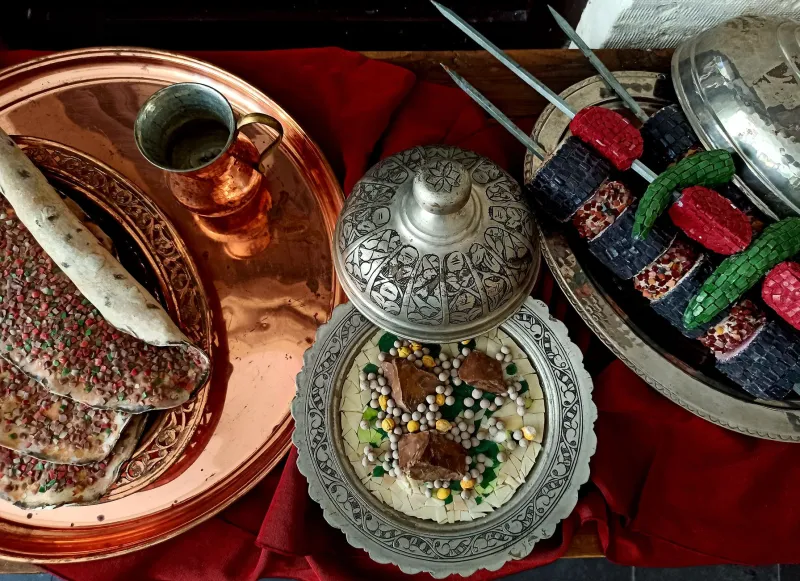
In Gaziantep, a well-seasoned copper tava isn't just a pan — it's a biography. Local chefs and home cooks treat their inherited copper cookware with a reverence that would make most Americans rethink tossing their scratched non-stick skillet. We went inside the kitchens and copper workshops of Turkey's culinary capital to find out why these gleaming tools are guarded like gold.

Where Caravans Once Rested: The Ancient Trade Routes That Turned Gaziantep Into a Culinary Powerhouse

Where Caravans Once Rested: The Ancient Trade Routes That Turned Gaziantep Into a Culinary Powerhouse

Long before food tourism was a concept, Gaziantep was already at the center of one of history's greatest culinary exchanges. As a vital node on the ancient Silk Road, this southeastern Turkish city absorbed flavors, techniques, and traditions from Persian courts, Arab spice merchants, and Ottoman kitchens — creating a food culture so layered and distinctive it earned UNESCO recognition. The story of how it happened is as rich as the food itself.